Where History Begins
Imagine a time before cities, before written language, before humans had even domesticated animals. The world was in its infancy, and mankind lived as nomadic hunter-gatherers. And yet, in the rolling hills of what is now southeastern Turkey, a group of these early humans conceived a project so monumental, so sophisticated, that it would change the course of history forever.
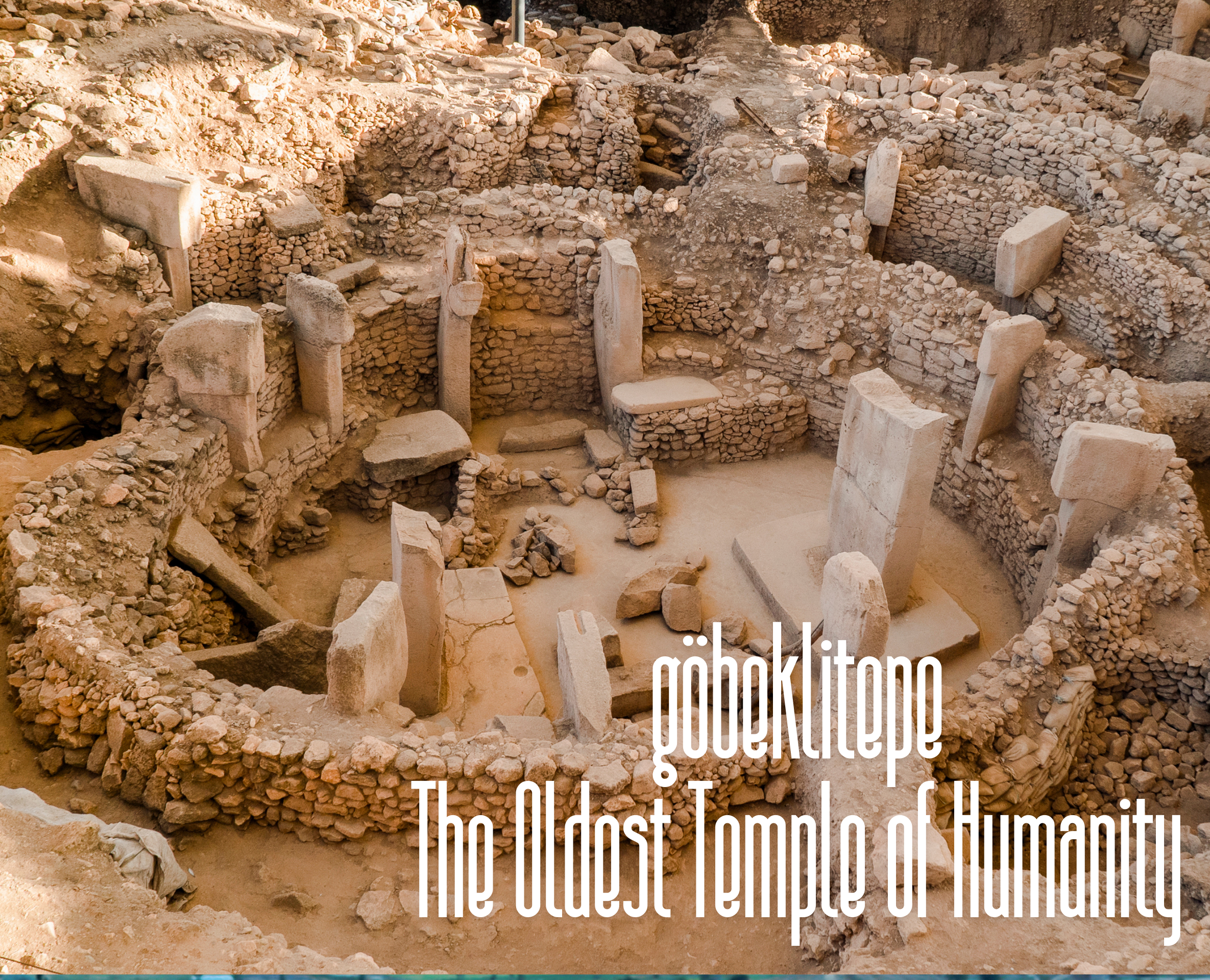
This place is Göbeklitepe – an archaeological wonder that dates back to 9600 BC, making it over 12,000 years old. It is the world’s oldest known temple, older than Stonehenge by 6,000 years and older than the Egyptian pyramids by 7,000 years.
The Builders: Masters Without Civilization
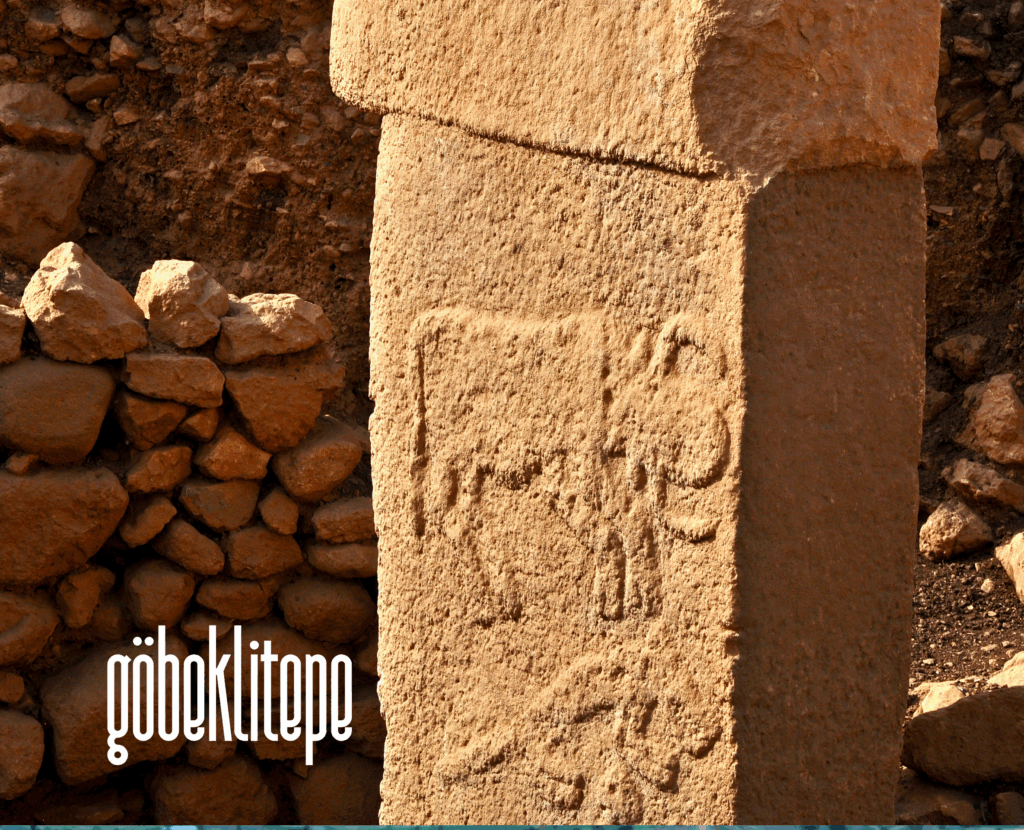
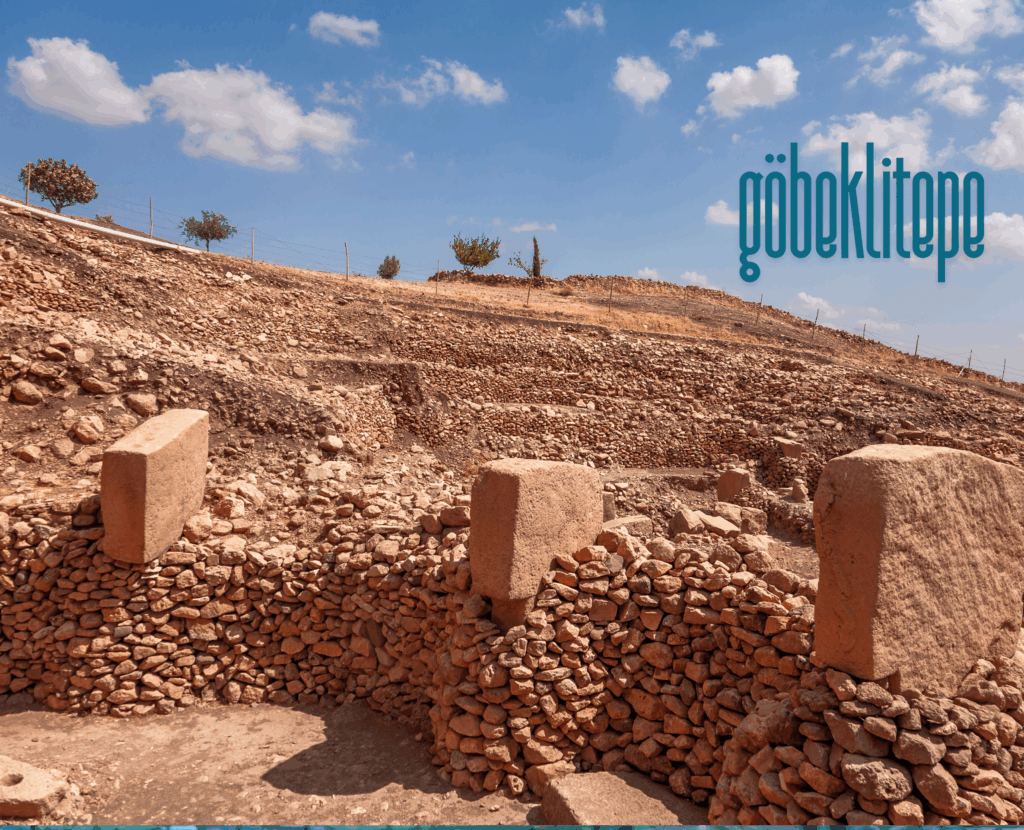
Archaeologists believe Göbeklitepe was built by groups of hunter-gatherers during the Pre-Pottery Neolithic Period. These people did not yet farm, did not live in permanent villages, and had no metal tools. Yet, they managed to quarry, shape, and erect T-shaped limestone pillars weighing up to 20 tons each.
Each pillar stands as a silent witness to the incredible organization, cooperation, and shared vision of its builders. The carvings depict animals such as foxes, snakes, cranes, and lions, alongside mysterious symbols – possibly early forms of communication or sacred imagery.
The precision of the carvings suggests not just skilled laborers, but also a deep cultural and spiritual understanding of the world around them.
A Center of Ritual and Belief
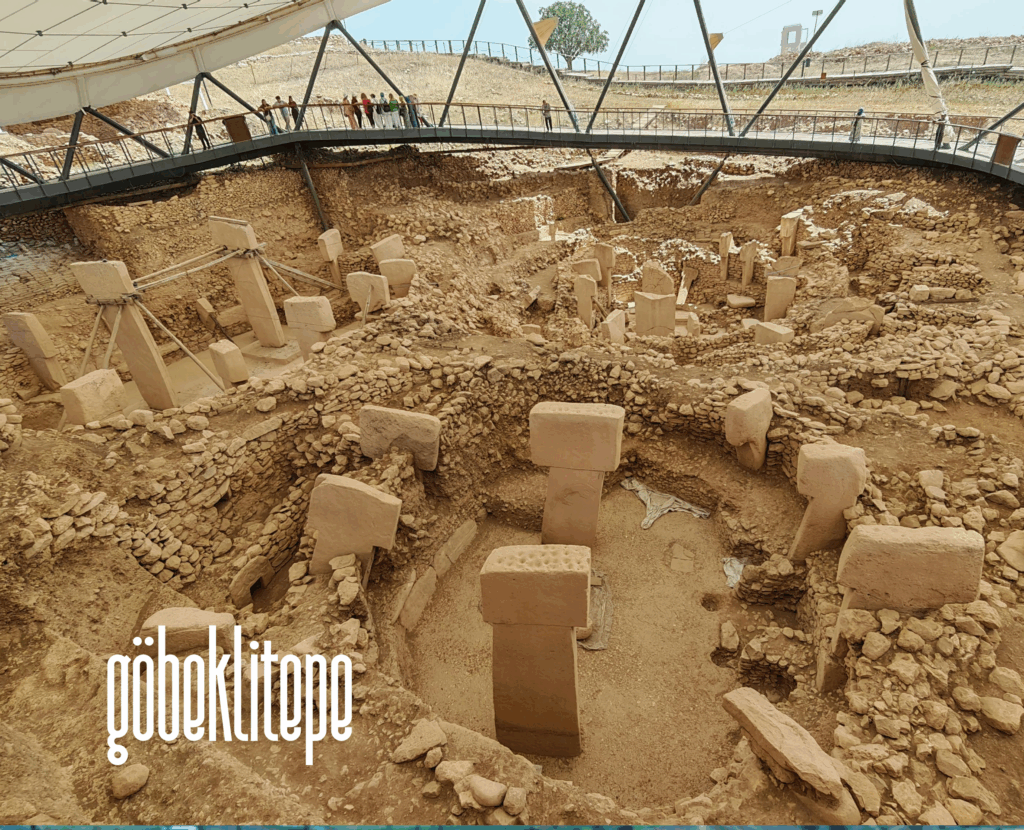
Göbeklitepe was not a place to live – it was a place to gather. Archaeologists have found no traces of cooking, farming, or daily habitation. Instead, they discovered large circular enclosures, each centered around two massive pillars, possibly representing deities or ancestors.
The site may have been used for:
- Ritual gatherings to celebrate seasonal events.
- Religious ceremonies connecting humans to the spiritual realm.
- Social and political meetings between different tribes.
Some theories suggest that Göbeklitepe served as a cosmic map, aligning with certain stars and constellations. Others believe it was a place to honor the dead and connect with the afterlife.
A Monument Buried on Purpose
Around 8000 BC, Göbeklitepe was intentionally buried under tons of soil and stone. The reasons remain a mystery:
- Was it a ritual closure, marking the end of an era?
- Did a shift in climate or belief systems make it obsolete?
- Was it an act of preservation for future generations?
Ironically, this burial preserved Göbeklitepe in remarkable condition for over 10,000 years.
The Modern Discovery
Although local farmers had been aware of strange stones in the area, Göbeklitepe’s true significance wasn’t recognized until 1994, when German archaeologist Klaus Schmidt began systematic excavations. Over the next two decades, Schmidt’s team uncovered a site that would rewrite the history of human civilization.
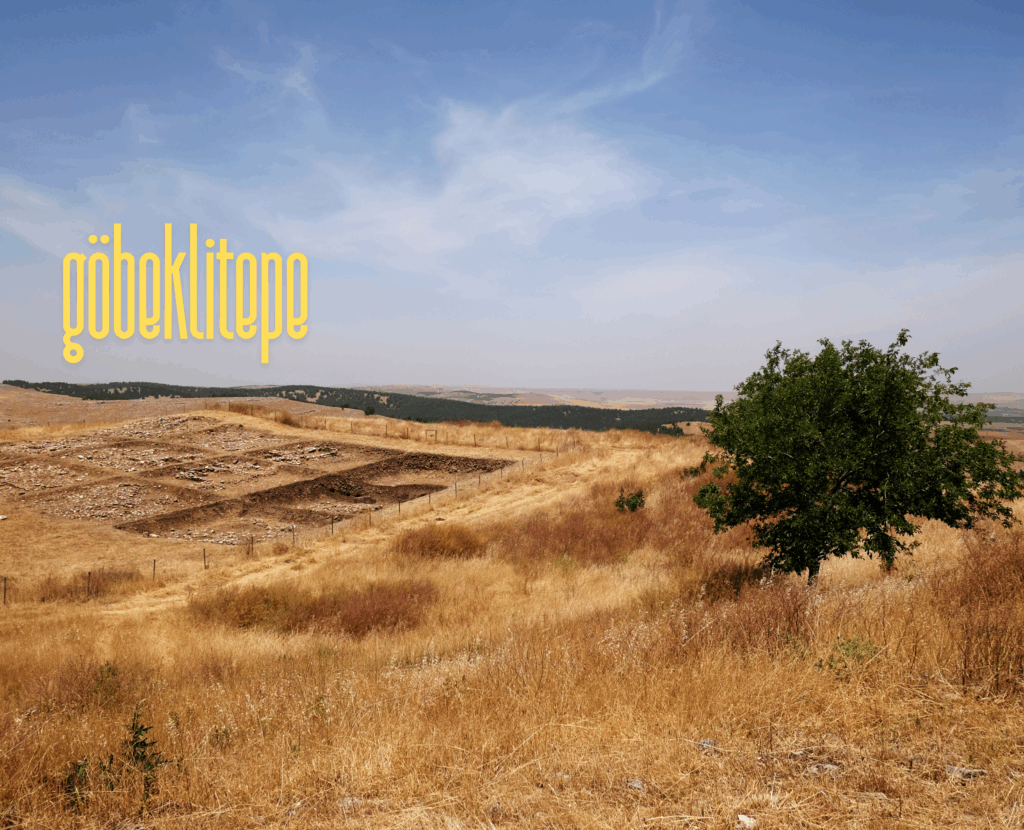
Today, only about 5% of the site has been excavated, meaning there are likely dozens more enclosures and structures hidden beneath the earth, waiting to reveal their secrets.
UNESCO Recognition and Preservation
In 2018, Göbeklitepe was added to the UNESCO World Heritage List. To protect it, a modern steel canopy now covers the excavated areas, shielding them from the elements while allowing visitors to experience the site from elevated walkways.
The nearby visitor center and museum showcase artifacts, reconstructions, and detailed explanations of the site’s history, making it an essential stop for anyone visiting southeastern Turkey.
Göbeklitepe and the Birth of Agriculture
One of the most revolutionary aspects of Göbeklitepe is its role in the Neolithic Revolution. Traditionally, historians believed agriculture led to permanent settlements, which in turn gave rise to religion and social structures. But Göbeklitepe challenges this idea.
It suggests that religion and social gatherings may have come first – creating the need for larger, settled communities, which then developed farming. In other words, belief may have built civilization.
The Spiritual Atmosphere Today
Visiting Göbeklitepe is unlike visiting any other archaeological site. As you stand before the ancient pillars, you can almost feel the presence of the people who carved them. The silence of the surrounding hills, the dry scent of the Anatolian wind, and the surreal shapes of the stones create a deeply spiritual atmosphere.
How to Visit Göbeklitepe
- Location: 15 km northeast of Şanlıurfa, southeastern Turkey.
- Best Season: Spring (April–May) and Autumn (September–October).
- Access: Flights from Istanbul or Ankara to Şanlıurfa GAP Airport, followed by a short drive.
- Nearby Attractions:
- Şanlıurfa Archaeology Museum – home to artifacts from Göbeklitepe.
- Balıklıgöl (The Pool of Abraham) – a sacred Islamic site.
- Harran – an ancient city with beehive houses.
Why Göbeklitepe Matters
Göbeklitepe is more than just an ancient temple – it’s the first known chapter in the story of humanity’s spiritual and social evolution. Its stones are a bridge between our distant past and our present, a reminder that the desire to understand the world and our place in it has always been part of what makes us human.