
🌊 Lake Van: The Timeless Jewel of Eastern Anatolia
Introduction
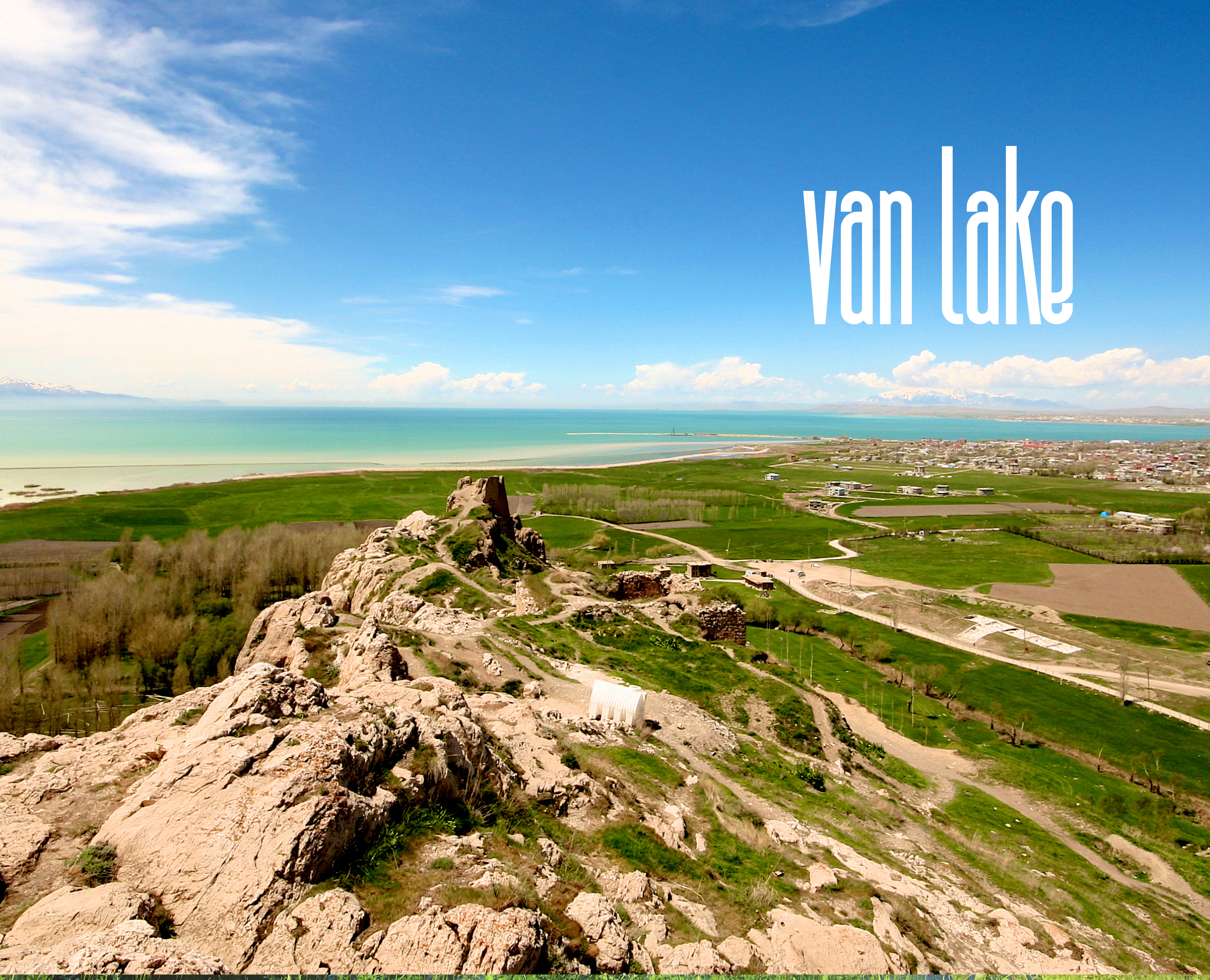
Nestled in the dramatic landscapes of Eastern Anatolia, Lake Van is more than a body of water – it is a living symbol of Turkey’s natural wealth, cultural heritage, and historical depth. Known as the largest lake in Turkey and the world’s largest soda lake, Lake Van has long captivated travelers, geographers, and historians alike. Its striking blue waters, encircled by volcanic mountains and dotted with islands, hold a mystique that few destinations can rival. To speak of Lake Van is to speak of a natural wonder, a cradle of ancient civilizations, and a modern hub for tourism and ecological research.
Geographic and Geological Features
Lake Van lies at an altitude of 1,640 meters above sea level, occupying a surface area of approximately 3,755 km². With a maximum length of 119 kilometers and a width of 80 kilometers, it often gives the impression of an inland sea. The maximum depth reaches 451 meters, making it one of the deepest lakes in the Middle East.
The lake was formed thousands of years ago through the volcanic activities of Mount Nemrut and Mount Süphan, which blocked the drainage of water from the surrounding basins. This volcanic origin explains why the water is rich in sodium carbonate and other salts, giving it a unique chemical composition. The high alkalinity of the water makes it unsuitable for most aquatic life, yet it remains home to the endemic pearl mullet (Chalcalburnus tarichi), a resilient fish species that has adapted to these conditions.
Climatically, the region experiences harsh winters and hot summers. The lake, due to its immense size, helps regulate the microclimate of surrounding towns, giving Van and Bitlis relatively milder winters compared to nearby highlands.
Ecological Significance
The biodiversity of Lake Van and its surrounding habitats is of global importance. Despite its unusual chemical structure, the lake sustains a thriving population of pearl mullet, a staple in local diets and an economic lifeline for fishing communities. Every spring, millions of pearl mullets migrate from the alkaline waters of the lake to the freshwater streams feeding into it, creating a breathtaking natural spectacle that draws both scientists and tourists.
The wetlands and reed beds along the shores are crucial stopovers for migratory birds such as flamingos, herons, and pelicans. Birdwatching has increasingly become a popular eco-tourism activity around the lake. This ecosystem also nurtures endemic plant species, making the Lake Van basin a subject of interest for botanists worldwide.
Historical and Cultural Heritage
The Lake Van basin has been a cradle of civilizations for millennia. Most notably, it was the heartland of the Urartian Kingdom (9th–6th century BCE). The Urartians built magnificent fortresses, irrigation channels, and temples, many of which remain remarkably preserved. Van Castle, standing proudly on a rocky outcrop by the lake, still bears cuneiform inscriptions detailing royal decrees and religious ceremonies.
During the medieval period, the region fell under the control of Seljuks and Ottomans, who enriched the cultural landscape with mosques, caravanserais, and bridges. Van thus became a crossroad of cultures, where Armenian, Kurdish, Turkish, and Persian influences blended into a unique local identity.
Akdamar Island: A Symbol of Beauty and Faith
Among the four islands within Lake Van, Akdamar Island is the most renowned. Situated about 3 kilometers from the Gevaş district, it is home to the Church of the Holy Cross (Surp Haç Kilisesi), built between 915–921 CE by King Gagik I of Vaspurakan. This medieval Armenian church is celebrated for its intricate stone reliefs depicting biblical narratives, saints, and mythological creatures.
Today, Akdamar Island is one of Turkey’s most visited cultural heritage sites. During spring, when almond trees bloom across the island, Akdamar becomes a natural paradise, attracting photographers, historians, and tourists alike. Boat trips to the island from Gevaş provide unforgettable views of the turquoise waters and snow-capped mountains.
Van and Surrounding Cities
Lake Van is surrounded by vibrant cities and towns, each offering unique attractions:
- Van City: Famous for the legendary Van Cat, a rare breed with heterochromatic eyes, and the world-renowned Van Breakfast, a feast of dozens of local dishes. The Van Museum showcases Urartian artifacts, while the bustling bazaars preserve centuries-old traditions.
- Tatvan: Located on the western shore, Tatvan serves as the gateway to Nemrut Crater Lake, another natural wonder. It is also a hub for ferry services that once connected different sides of the lake.
- Ahlat (Bitlis): Known as the “City of Tombstones,” Ahlat hosts monumental Seljuk cemeteries, recognized by UNESCO for their cultural value.
- Gevaş: Beyond being the departure point for Akdamar Island, Gevaş itself is rich with Seljuk architecture, including mosques and tombs.
Tourism and Activities
Tourism around Lake Van has steadily grown, fueled by its unique combination of history, culture, and natural beauty. Visitors can:
- Swim or sunbathe along the sandy beaches of Edremit and Gevaş.
- Take boat tours to explore the islands.
- Hike and camp in the mountains surrounding the lake, particularly Mount Süphan.
- Taste local cuisine, especially the pearl mullet and the iconic Van Breakfast.
- Attend cultural festivals, including art, music, and sports events hosted around the lake.
Adventure tourism is also rising in popularity, with activities like paragliding, cycling, and trekking attracting younger travelers.
Statistical Overview
- Surface area: 3,755 km²
- Altitude: 1,640 m
- Maximum depth: 451 m
- Length: 119 km
- Width: 80 km
- Islands: Akdamar, Çarpanak, Adır, Kuş
Best Times to Visit
The ideal period to explore Lake Van is between May and September, when the weather is pleasant and the lake is at its most vibrant. Spring brings almond blossoms on Akdamar Island, while summer is perfect for swimming and sailing. Winters are colder but create a unique charm, with snow-covered mountains reflecting over the blue waters.
Accessibility is convenient through Van Ferit Melen Airport, which offers flights connecting Van with major Turkish cities. Regional highways and bus services also make travel easy for both domestic and international visitors.
Conclusion
Lake Van is not merely a geographical entity but a living chronicle of nature and culture. From its volcanic origins and unique ecosystem to its role as the heart of the Urartian civilization and its modern function as a tourism hub, the lake embodies the timeless spirit of Eastern Anatolia. It invites travelers not only to witness its beauty but to engage with history, culture, and ecology in one remarkable setting.
Visiting Lake Van is more than a journey to a destination – it is a journey through time, where past and present coexist on the shores of a majestic blue sea.