1. Introduction
Istanbul, historically known as Byzantium and later Constantinople, is the most populous city in Turkey and one of the most influential urban centers in the world. Strategically straddling the Bosporus Strait, it is the only metropolis in the world situated on two continents—Europe and Asia. With over 15 million inhabitants, Istanbul is both a cultural mosaic and an economic powerhouse. Its significance transcends geography, as the city has served as the capital of three successive empires—Roman, Byzantine, and Ottoman—each of which left indelible marks on its architectural, cultural, and social fabric. Today, Istanbul stands as a global city, a UNESCO World Heritage site, and a crossroads of civilizations.
2. Geographical Features and Strategic Location
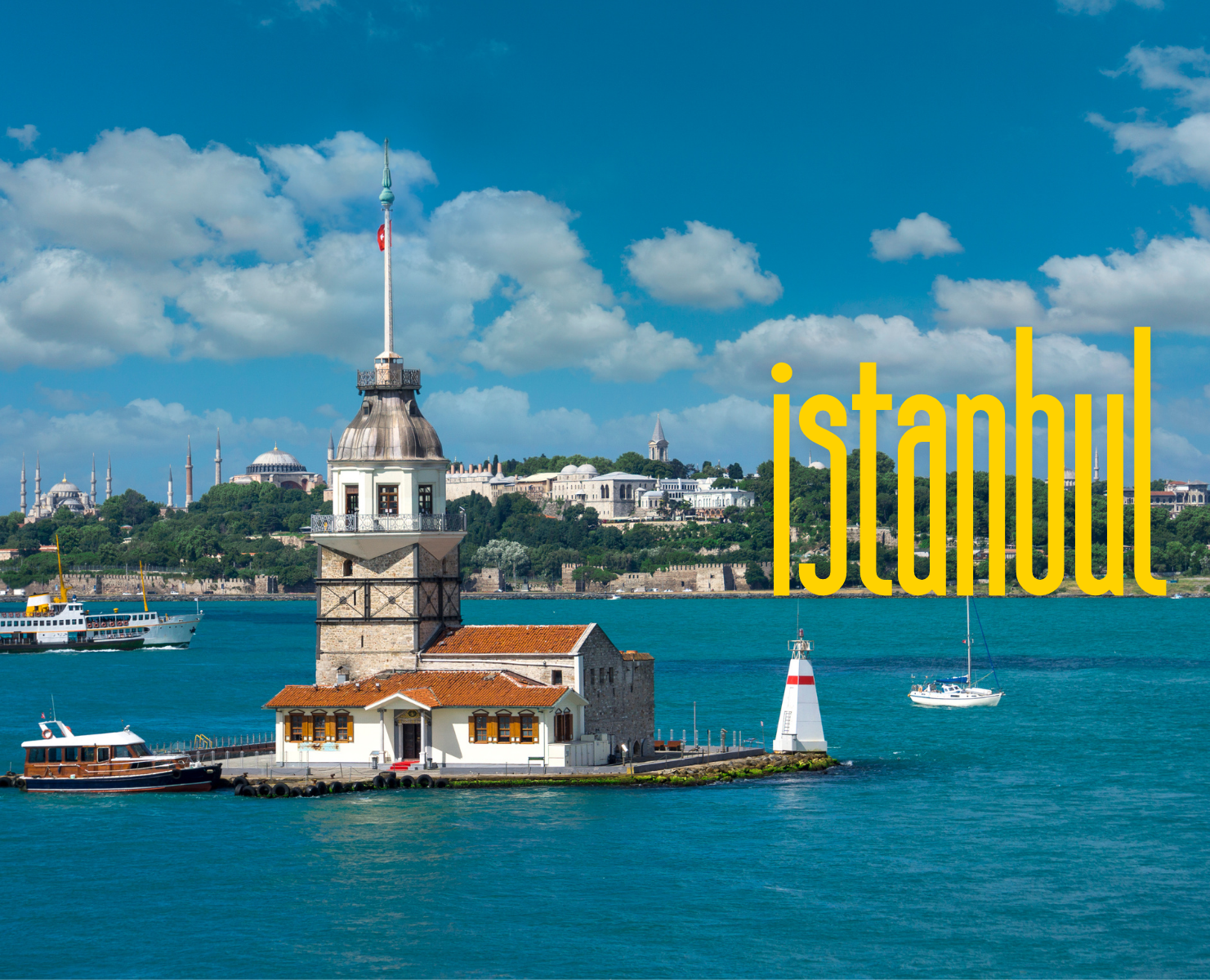
Istanbul’s geography is the foundation of its enduring importance. The Bosporus Strait, which connects the Black Sea to the Sea of Marmara and ultimately the Mediterranean, provides the city with unparalleled control over maritime trade and naval movement. The Golden Horn, a natural harbor, has historically sheltered fleets and facilitated commerce.
The city’s terrain consists of rolling hills, valleys, and coastal plains, offering panoramic vistas and natural fortification. The climate is transitional between Mediterranean and humid subtropical: summers are hot and humid, winters are cool and damp with occasional snowfall. This geography not only shaped military strategy but also influenced urban development, agricultural practices, and architectural styles across centuries.
3. Historical Development
3.1 Byzantium and the Roman Period
Founded as Byzantium by Greek colonists in the 7th century BCE, the settlement gained prominence due to its commanding position on maritime routes. Emperor Constantine I refounded the city in 330 CE as Nova Roma, soon to be known as Constantinople, and designated it the capital of the Eastern Roman Empire.
3.2 Byzantine Era
As the seat of the Byzantine Empire, Constantinople flourished as a center of Christianity, imperial administration, and trade. Monumental structures such as the Hagia Sophia, completed under Emperor Justinian in 537, symbolized the city’s spiritual and political power. Despite invasions, sieges, and internal upheaval, Constantinople retained its status as a beacon of culture until its eventual conquest.
3.3 Ottoman Era
In 1453, Sultan Mehmed II captured Constantinople, renaming it Istanbul and establishing it as the capital of the Ottoman Empire. This marked a new epoch, during which the city became the heart of one of the largest and most enduring empires in history. Ottoman Istanbul was adorned with mosques, palaces, and complexes designed by master architect Mimar Sinan, including the Süleymaniye Mosque and Topkapı Palace. The city thrived as a hub of Islamic art, literature, and scholarship while continuing to serve as a bridge between East and West.
3.4 Republican Period and Modern Transformation
After the dissolution of the Ottoman Empire, Ankara was chosen as the capital of the newly founded Republic of Turkey in 1923. Nonetheless, Istanbul remained the nation’s cultural and economic capital. In the late 20th and early 21st centuries, rapid modernization, industrialization, and urban sprawl transformed Istanbul into a global metropolis, while extensive restoration projects preserved its historic core.
4. Cultural Identity and Society
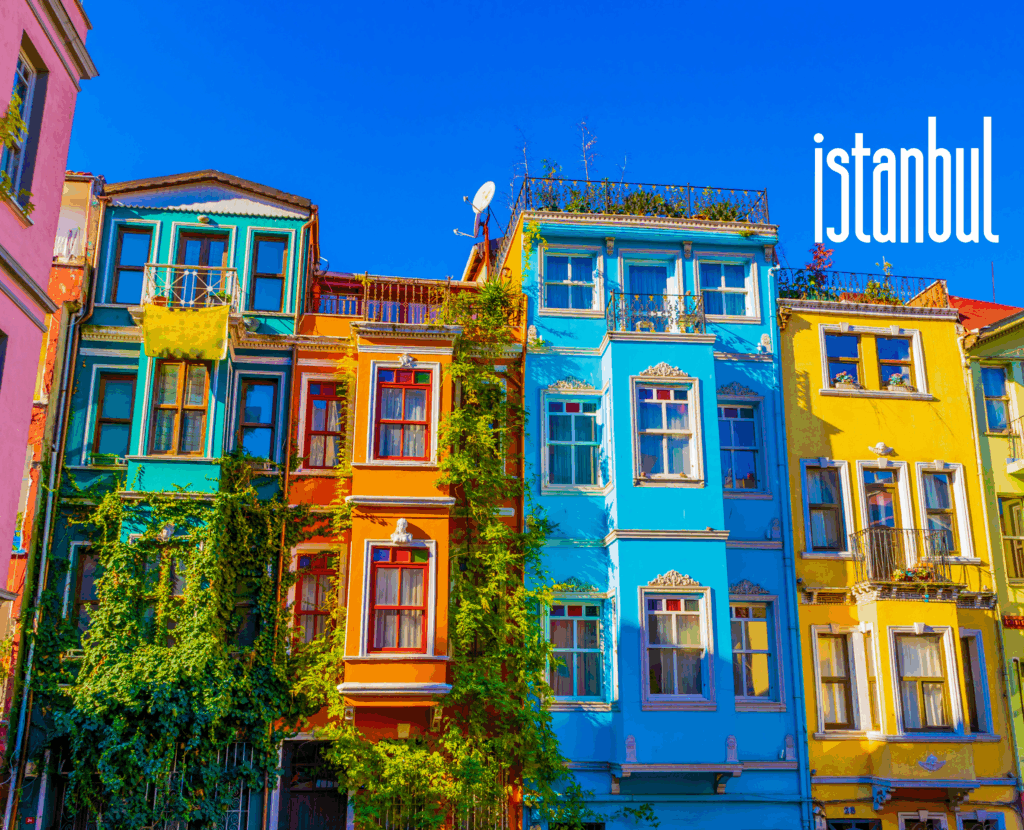
Istanbul is a city of layers—social, linguistic, and religious. Its population reflects centuries of multicultural interaction, including Turkish, Greek, Armenian, Jewish, Kurdish, Arab, and other communities. This diversity is reflected in the city’s traditions, festivals, and daily life.
Literature, poetry, and philosophy have thrived in Istanbul, from Byzantine theological scholarship to Ottoman divan literature and modern Turkish novels. Art galleries, music festivals, film events, and universities cement Istanbul’s role as a cultural capital.
The city’s unique rhythm—marked by the call to prayer echoing alongside church bells, bustling bazaars, and modern shopping malls—demonstrates the coexistence of tradition and modernity.
5. Architecture and Monuments
5.1 Hagia Sophia
Originally built as a Byzantine basilica, later converted into a mosque, then a museum, and most recently returned to mosque status, the Hagia Sophia epitomizes Istanbul’s layered history. Its massive dome and mosaics remain architectural marvels.
5.2 The Blue Mosque (Sultan Ahmed Mosque)
Constructed in the early 17th century, this mosque is famous for its six minarets and interior decorated with over 20,000 Iznik tiles. It remains one of Istanbul’s most iconic landmarks.
5.3 Topkapı Palace
For nearly four centuries, Topkapı served as the residence of Ottoman sultans and the administrative hub of the empire. Its ornate courtyards, harem, and treasury reflect the grandeur of Ottoman rule.
5.4 Other Landmarks
- Dolmabahçe Palace: symbol of 19th-century modernization.
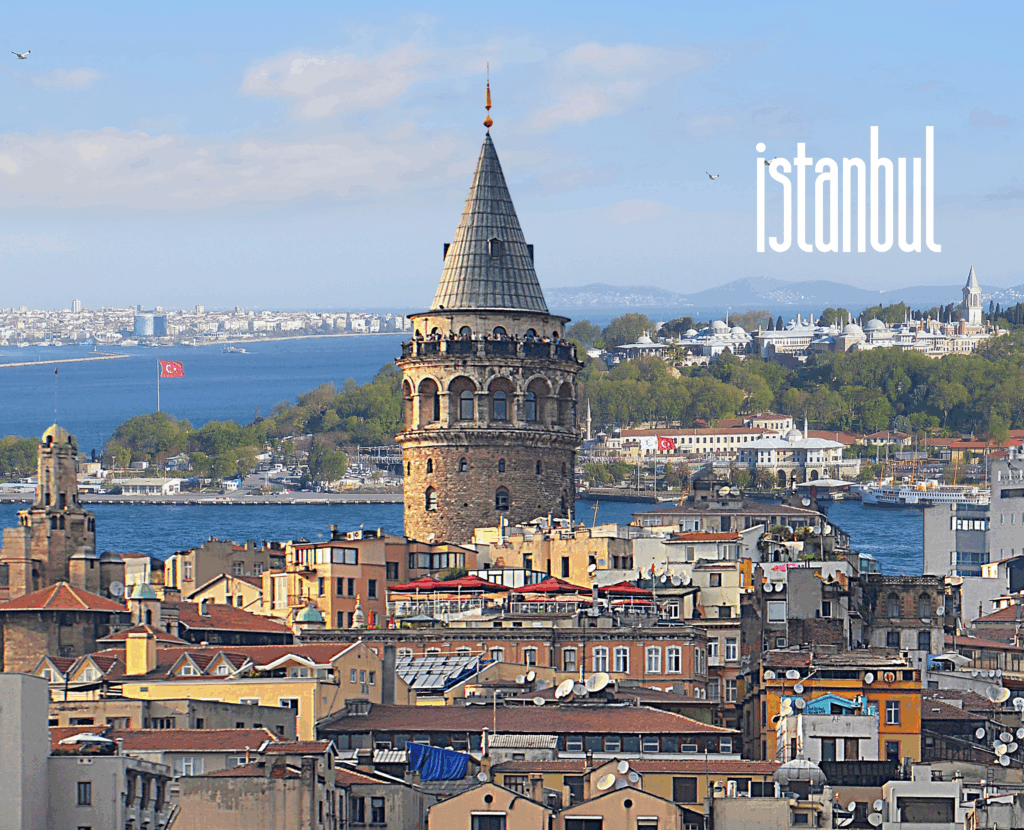
- Galata Tower: medieval watchtower overlooking the Golden Horn.
- Basilica Cistern: underground water reservoir from Byzantine times.
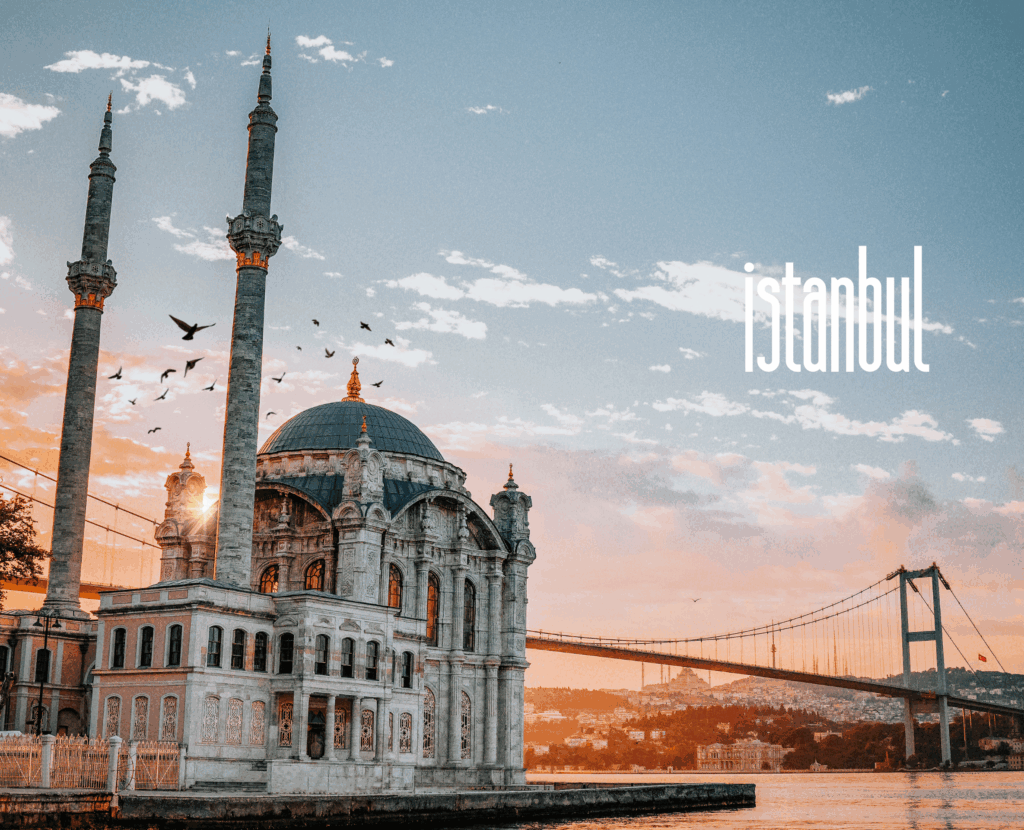
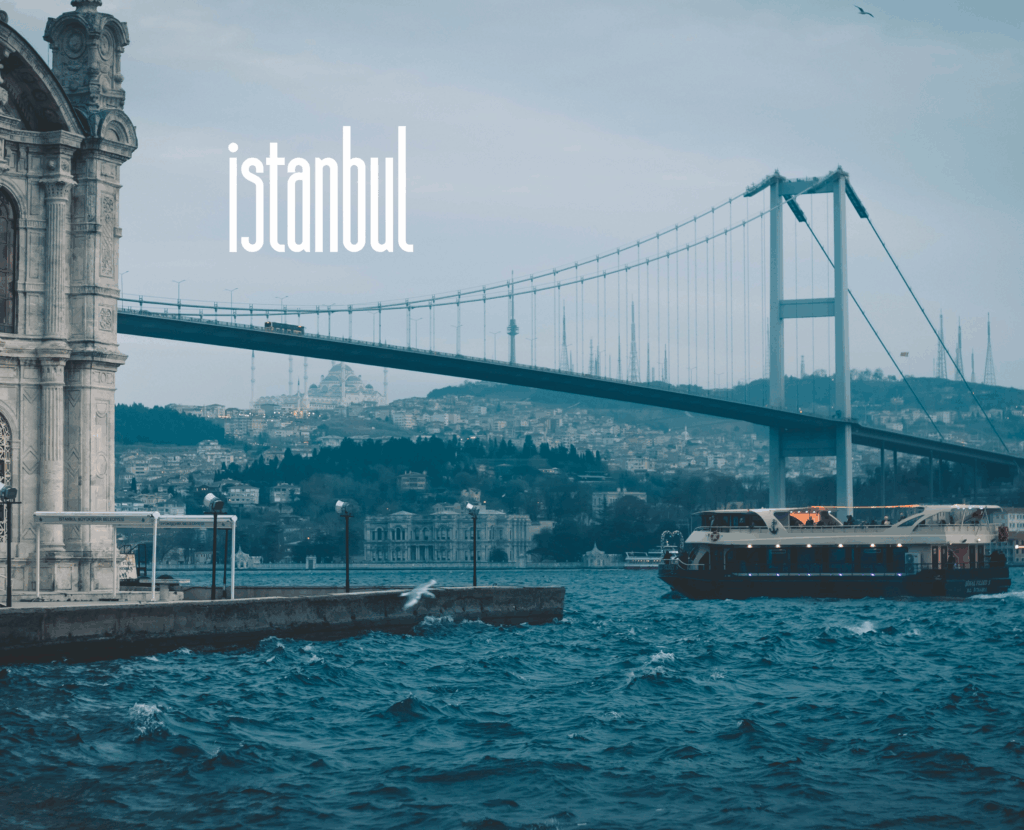
- Modern skyline: skyscrapers and bridges like the Bosphorus and Yavuz Sultan Selim bridges symbolize the city’s contemporary face.
6. Economy and Industry
Istanbul is Turkey’s economic powerhouse, generating nearly one-third of the nation’s GDP. Its strategic position fosters international trade, finance, and logistics. The city hosts the Istanbul Stock Exchange, major banks, and headquarters of multinational corporations.
Textiles, automotive, electronics, and tourism are vital sectors. Istanbul’s ports, airports (including the new Istanbul Airport, one of the largest in the world), and infrastructure projects reinforce its global connectivity.
7. Culinary Traditions
Istanbul’s cuisine reflects its imperial and multicultural legacy. Influences from Anatolia, the Balkans, the Middle East, and the Mediterranean converge here.
- Street food: simit, döner, balık ekmek (fish sandwich).
- Meze culture: small dishes accompanying rakı, reflecting Ottoman dining customs.
- Main dishes: kebabs, stuffed vegetables, lamb stews, and seafood from the Bosphorus.
- Desserts: baklava, Turkish delight, künefe, and puddings.
- Beverages: Turkish tea and coffee, both central to social interaction.
The city’s culinary diversity is not only a reflection of its geography but also a driver of its modern tourism industry.
8. Tourism and Attractions
Istanbul receives millions of visitors annually, drawn to its cultural heritage and modern vibrancy.
- Historic Peninsula (Sultanahmet): Hagia Sophia, Blue Mosque, Topkapı Palace, and Hippodrome.
- Grand Bazaar and Spice Bazaar: among the largest and oldest covered markets in the world.
- Bosphorus cruises: offering views of palaces, mansions (yalı), and modern bridges.
- Prince Islands: serene escapes with horse-drawn carriages and historic mansions.
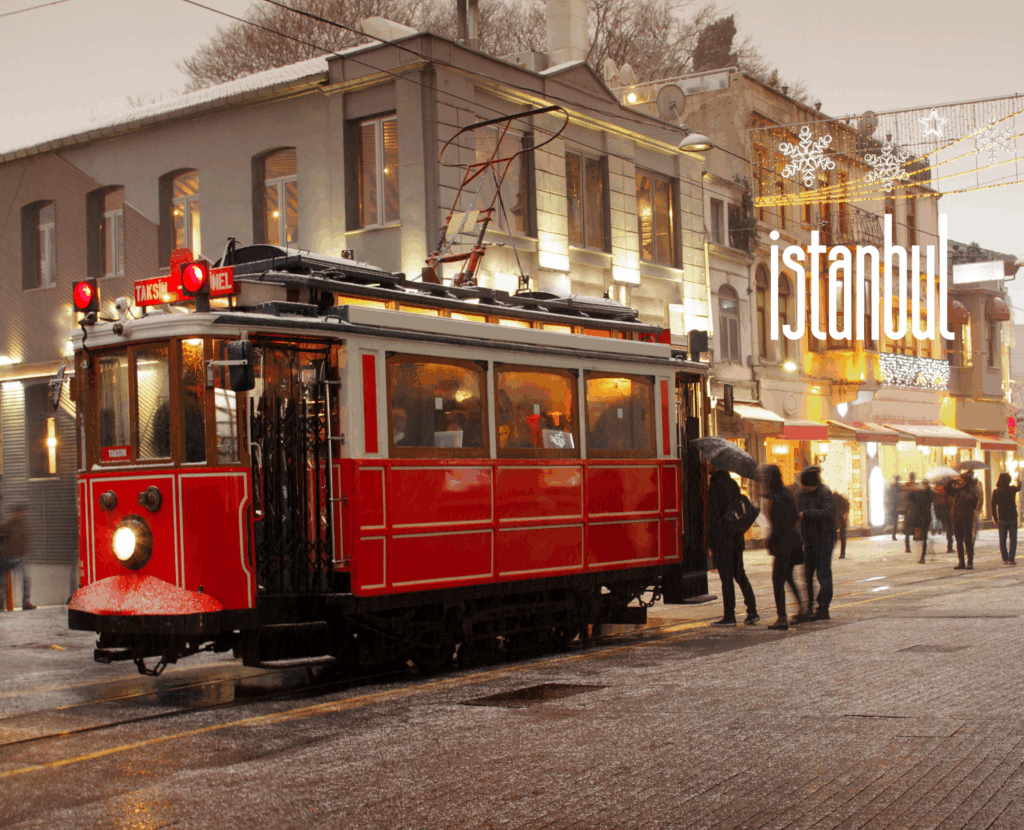
- Modern districts: Beyoğlu, Taksim, and Karaköy, known for nightlife, art, and commerce.
- Museums: Istanbul Archaeology Museums, Pera Museum, Istanbul Modern.
9. Modern Urban Life
Istanbul faces the challenges of rapid urbanization: traffic congestion, population density, and environmental concerns. Yet it continues to innovate, with metro expansions, Marmaray underwater tunnel, and digital economy initiatives.
The coexistence of traditional bazaars with shopping malls, and Ottoman mansions with skyscrapers, exemplifies Istanbul’s dual identity as both historic and modern.
10. Global Identity and Significance
Istanbul is not merely a Turkish city; it is a world city. Its inclusion on UNESCO’s World Heritage List acknowledges its universal value. As a cultural capital of Europe (2010) and a frequent host of international summits, art biennials, and festivals, Istanbul’s global profile continues to grow.
The city is often described as the “bridge between East and West” and the “meeting place of civilizations,” but it is also a stage where cultural hybridity thrives in daily life. Its dynamism positions Istanbul as an essential node in global history and contemporary geopolitics.
11. Conclusion
Istanbul’s story is one of resilience, transformation, and coexistence. From Byzantium to Constantinople to modern Istanbul, the city has remained central to empires, religions, trade routes, and global culture. Today, it embodies both Turkey’s national heritage and the world’s collective history. For scholars, travelers, and investors, Istanbul offers a profound case study of urban continuity, cultural hybridity, and global relevance.