
Mount Ararat: The Legendary Peak of Turkey
Introduction
Rising majestically at 5,137 meters (16,854 ft), Mount Ararat, known as Ağrı Dağı in Turkish, is the highest mountain in Turkey and one of the most iconic peaks of the entire Middle East. Situated in the far eastern part of the country, near the borders of Armenia and Iran, this dormant stratovolcano is not only a geographical wonder but also a cultural and spiritual symbol. For centuries, Mount Ararat has been associated with the legendary story of Noah’s Ark, believed by many traditions to have come to rest on its summit after the Great Flood. Today, it stands as both a natural marvel and a global mountaineering challenge, attracting climbers, historians, geologists, and adventure travelers from all over the world.
Geographical Location and Features
Mount Ararat is located in Turkey’s Ağrı Province, about 16 km west of the Iranian border and 32 km south of the Armenian border. It dominates the surrounding landscape, with its snow-capped cone visible from hundreds of kilometers away. The mountain is actually a dormant volcanic massif composed of two peaks:
- Greater Ararat (5,137 m) – the main and highest peak.
- Little Ararat (3,896 m) – a secondary peak connected to the greater summit by the Serdarbulak lava plateau.
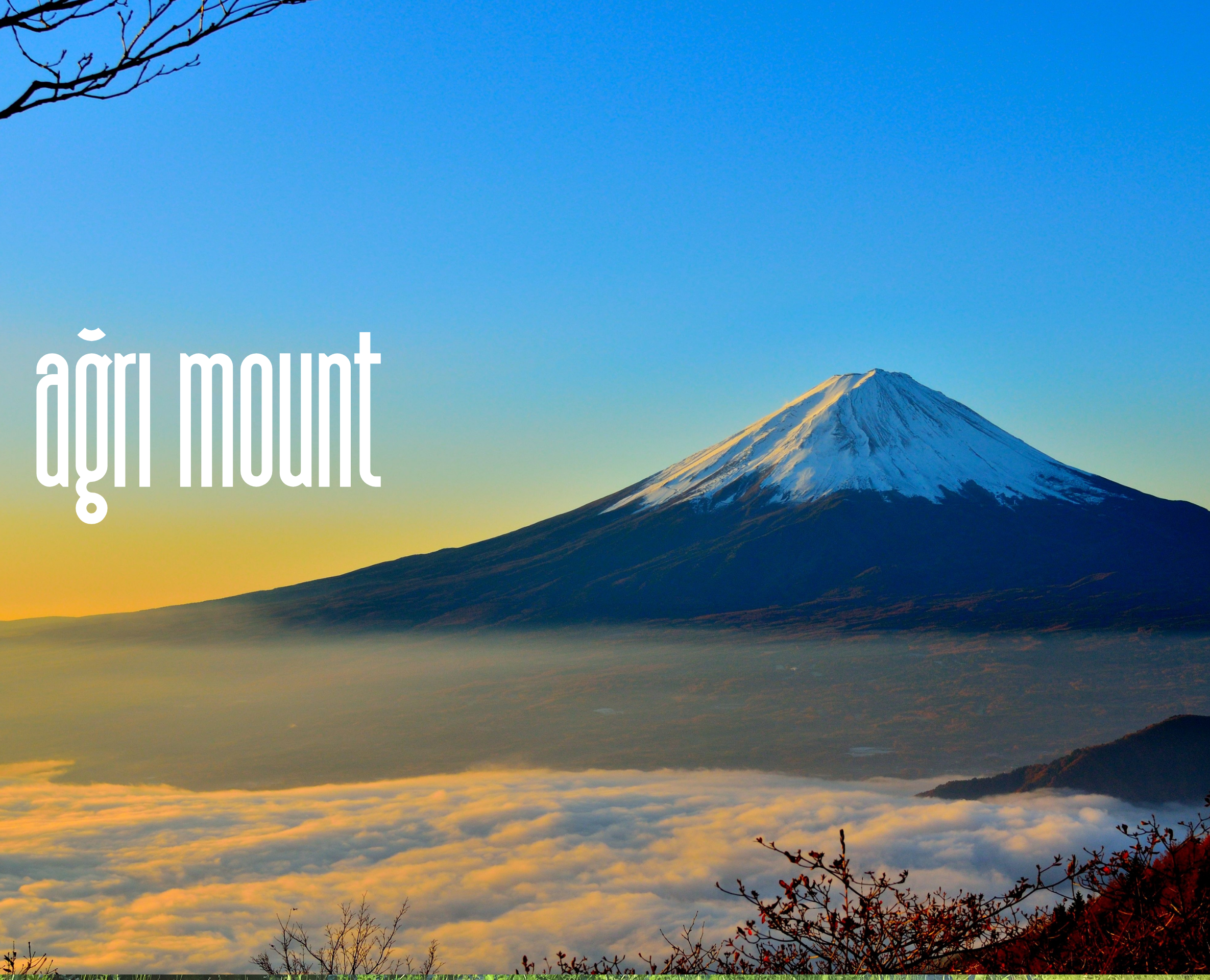
The mountain is permanently snow-capped, with large glaciers covering its upper regions, making it a striking figure against the arid steppes of Eastern Anatolia.
Historical and Cultural Significance
Mount Ararat is deeply rooted in mythology, religion, and literature:
- Biblical Connection: According to Judeo-Christian tradition, Mount Ararat is the resting place of Noah’s Ark after the Great Flood. Although historical and archaeological debates continue, the legend has made the mountain a symbol of hope and renewal.
- Cultural Heritage: Ararat holds a special place in Armenian, Persian, and Kurdish folklore. It is often depicted in art, poetry, and national identity.
- Explorations: From the 19th century onwards, many Western explorers, scholars, and adventurers have visited the mountain in search of Noah’s Ark, fueling global fascination.
Climbing Mount Ararat
Climbing Ararat is one of the most sought-after mountaineering experiences in Turkey. Unlike other high-altitude climbs such as Mount Everest or Kilimanjaro, Ararat offers a technical yet achievable ascent for experienced climbers.
Climbing Routes
The most common ascent is from the south side, starting from the village of Doğubeyazıt. The climb usually takes 4 to 6 days, depending on weather and acclimatization schedules. The main stages are:
- Doğubeyazıt (1,600 m) – the base town, where climbers organize permits and supplies.
- Base Camp (3,200 m) – reached on Day 1, a grassy plateau used for acclimatization.
- High Camp (4,200 m) – reached on Day 2, just below the permanent snow line.
- Summit Push (5,137 m) – usually starting at midnight to reach the peak by sunrise.
Necessary Permits and Regulations
Climbing Mount Ararat requires official permits from the Turkish government, as the area is considered sensitive due to its proximity to international borders. Climbers must also be accompanied by licensed local guides.
Best Seasons for Climbing
- Summer (July – September) is the best season due to stable weather and safer conditions.
- Winter climbs are extremely challenging, only suitable for elite mountaineers.
Preparation and Equipment
Climbing Mount Ararat requires serious physical preparation and proper gear.
- Physical Fitness: Climbers should train for endurance, altitude acclimatization, and cold weather.
- Essential Gear: Crampons, ice axes, thermal clothing, sleeping bags for -20°C, and mountaineering boots.
- Support: Most expeditions use pack animals (horses/mules) to carry heavy loads.
Flora and Fauna
The lower slopes of Ararat are rich in biodiversity, featuring alpine meadows, steppe vegetation, and wildflowers in summer. Wildlife includes foxes, wolves, hares, and a variety of bird species, making the area attractive for eco-tourism and photography.
Tourism and Local Life
The gateway to Mount Ararat is the town of Doğubeyazıt, a culturally rich settlement with a blend of Turkish, Kurdish, and Persian influences. Visitors often explore:
- Ishak Pasha Palace – a majestic Ottoman-era palace overlooking the plains.
- Traditional bazaars – offering local handicrafts, carpets, and delicacies.
- Cultural Festivals – showcasing Kurdish music, dance, and cuisine.
Climbers and tourists alike can combine their expedition with cultural exploration, making the Ararat region one of Turkey’s hidden treasures.
Challenges and Safety Concerns
Mount Ararat is a challenging climb due to:
- Altitude Sickness – rapid ascent can cause severe symptoms.
- Glacial Crevasses – hidden under snow, posing dangers.
- Weather Conditions – sudden storms and freezing winds are common.
Climbers are advised to travel with experienced guides, carry proper insurance, and maintain constant communication with base camp teams.
Conclusion
Mount Ararat is more than just a mountain – it is a symbol of faith, endurance, and natural beauty. From its biblical legacy to its challenging climbs, the mountain continues to inspire travelers and mountaineers worldwide. For those who dare to ascend its snow-capped summit, the reward is not just a panoramic view of three countries but also a profound connection with history, myth, and nature.