
The 20 Longest Rivers of Turkey – Comprehensive Academic Guide
Turkey’s unique geography is defined not only by its mountains and seas but also by its rivers. These rivers have historically sustained civilizations, served as natural borders, enabled agriculture, and today, they continue to shape tourism, energy, and ecology. Below is a detailed account of the 20 longest rivers in Turkey.
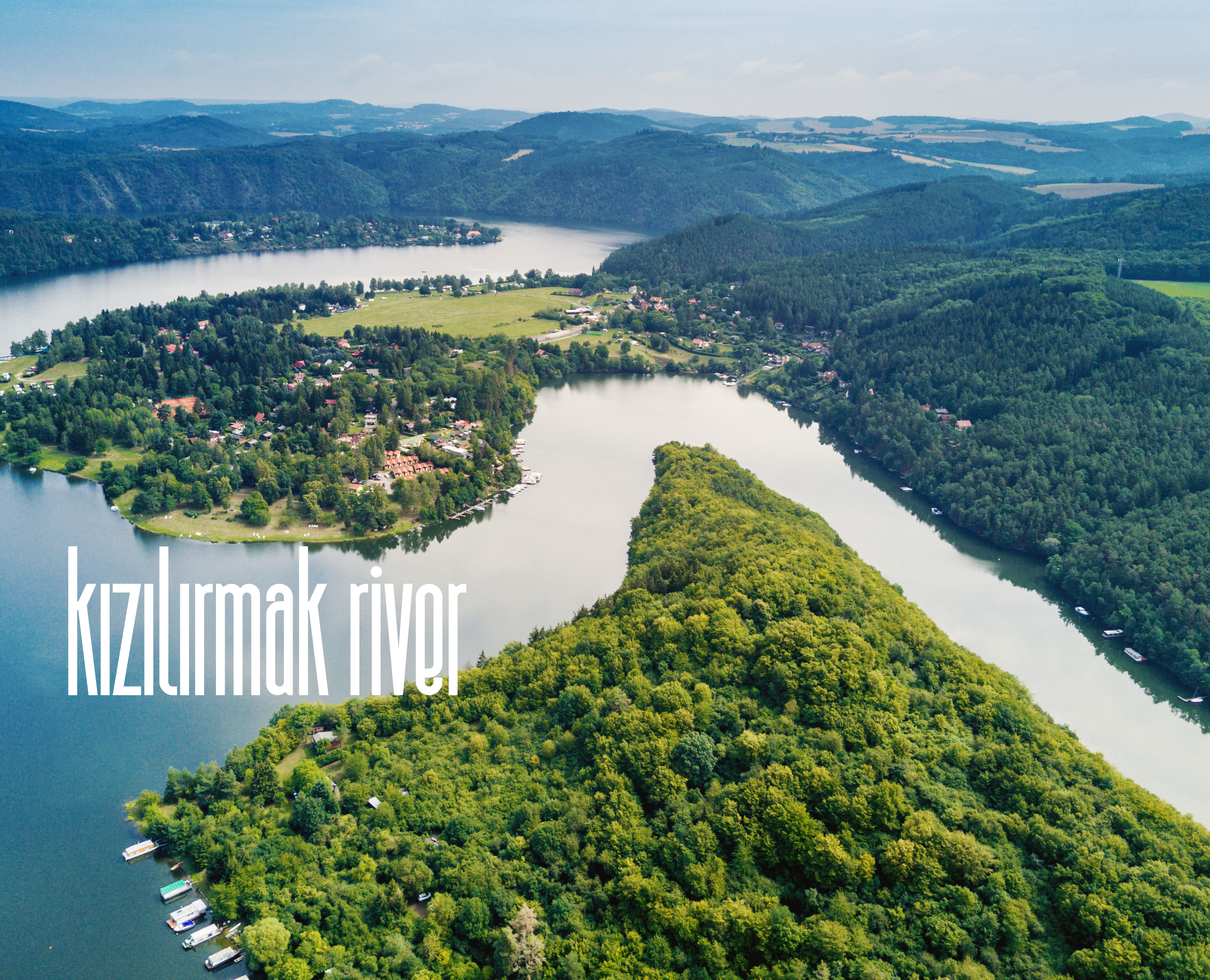
1. Kızılırmak River
- Length: 1,355 km – the longest river entirely within Turkey.
- Geography & Cities: Originates in Sivas (Kızıldağ), flows through Kayseri, Nevşehir, Kırşehir, Ankara, Kırıkkale, Aksaray, and Samsun before entering the Black Sea.
- History & Importance: Supported Hittite, Phrygian, Roman, and Ottoman civilizations. Avanos in Cappadocia became famous for pottery made from its red clay.
- Economy & Agriculture: Provides irrigation for sugar beet, corn, and vegetables. Hydroelectric dams produce energy.
- Tourism & Activities: Birdwatching at the Kızılırmak Delta (UNESCO tentative site), boat tours in Avanos, fishing, and photography.
- Accessibility: Easily reached via Ankara, Nevşehir, and Samsun highways.
2. Euphrates (Fırat) River
- Length: 2,800 km total, 1,263 km in Turkey.
- Geography & Cities: Rises in Erzincan, flows through Elazığ, Malatya, Adıyaman, Gaziantep, and Şanlıurfa before crossing into Syria and Iraq.
- History & Importance: Along with the Tigris, the cradle of Mesopotamian civilization.
- Economy & Energy: Key part of the Southeastern Anatolia Project (GAP). Dams like Atatürk, Keban, and Karakaya provide irrigation and energy.
- Tourism & Activities: Boat tours, Zeugma archaeological site, nature photography.
- Accessibility: Main access from Malatya, Elazığ, and Şanlıurfa.
3. Tigris (Dicle) River
- Length: 1,900 km total, 523 km in Turkey.
- Geography & Cities: Rises near Lake Hazar, flows through Diyarbakır, Batman, and Mardin.
- History: Linked with Assyrian and Mesopotamian history. Diyarbakır’s famous Ten-Eyed Bridge and Hevsel Gardens are UNESCO sites.
- Economy: Irrigation for Southeastern Anatolia; hydroelectric dams.
- Tourism: Cultural tours in Diyarbakır, historic bridges, birdwatching.
- Accessibility: Directly accessible from Diyarbakır city center.
4. Sakarya River
- Length: 824 km.
- Geography & Cities: Starts in Eskişehir, flows through Ankara, Bilecik, and Sakarya into the Black Sea.
- History: Site of the Battle of Sakarya during the Turkish War of Independence.
- Agriculture: Irrigates rice, corn, and vegetables.
- Tourism: Birdwatching in Sakarya Delta, fishing, nature hikes.
- Accessibility: Easily accessed from Ankara and Sakarya.
5. Aras River
- Length: 1,072 km.
- Geography & Cities: Originates in Erzurum, passes through Erzincan and Iğdır, continues along the borders of Azerbaijan, Armenia, and Iran.
- History: Strategic river in the Caucasus.
- Tourism: Birdwatching in Iğdır plains (Aras Bird Paradise), eco-photography.
- Agriculture: Supports cotton and fruit farming.
- Accessibility: Best reached via Erzurum and Iğdır.
6. Yeşilırmak River
- Length: 519 km.
- Cities: From Sivas to Tokat, Amasya, Çorum, and Samsun.
- Tourism: Boat tours in Amasya, rafting, riverside walks.
- History: Ancient name “Iris,” vital for Pontic Kingdom.
- Economy: Irrigation for orchards and farmlands.
7. Büyük Menderes River
- Length: 584 km.
- Cities: From Afyon to Denizli, Aydın, flowing into the Aegean.
- History: Known as “Maeander” in antiquity, name inspired the English word “meander.”
- Tourism: Birdwatching at Büyük Menderes Delta National Park.
- Agriculture: Irrigation for cotton and figs.
8. Seyhan River
- Length: 560 km.
- Cities: From Kayseri through Adana into the Mediterranean.
- Tourism: Water sports on Seyhan Dam Lake, riverside parks.
- Economy: Irrigation and drinking water for Adana.
9. Murat River
- Length: 722 km.
- Cities: From Ağrı through Bingöl, Muş, Elazığ into the Euphrates.
- Tourism: Rafting, mountain scenery, fishing.
- Agriculture: Irrigation of wheat and barley fields.
10. Çoruh River
- Length: 466 km (410 km in Turkey).
- Cities: Bayburt and Artvin.
- Tourism: Famous worldwide for rafting and kayaking.
- Ecology: Surrounded by rich biodiversity in Artvin valleys.
11. Gediz River
- Length: 401 km.
- Cities: From Kütahya through Uşak, Manisa into İzmir.
- Tourism: İzmir Bird Paradise, eco-tours.
- Agriculture: Vineyards, olives, cotton.
12. Ceyhan River
- Length: 509 km.
- Cities: From Kahramanmaraş through Osmaniye into the Mediterranean.
- Tourism: Rafting, fishing, hiking.
- Economy: Irrigation and energy.
13. Göksu River
- Length: 260 km.
- Cities: Karaman, Mersin.
- Tourism: White-water rafting, birdwatching, Göksu Delta.
- Ecology: Important wetland for migratory birds.
14. Orontes (Asi) River
- Length: 388 km (88 km in Turkey).
- Cities: Hatay province.
- History: Known as “Orontes” in antiquity.
- Tourism: Antakya and Samandağ tours.
15. Bartın River
- Length: 201 km.
- Cities: Karabük and Bartın.
- Tourism: Unique boat tours inside Bartın city, canoeing.
16. Kura River
- Length: 1,515 km (189 km in Turkey).
- Cities: Ardahan.
- Tourism: Fishing and trekking along valleys.
17. Manavgat River
- Length: 93 km.
- Cities: Antalya (Manavgat).
- Tourism: Famous for Manavgat Waterfall and boat cruises.
18. Gönen River
- Length: 134 km.
- Cities: Balıkesir.
- Tourism: Fishing, riverside picnics.
19. Bakırçay River
- Length: 129 km.
- Cities: Manisa and İzmir (Dikili).
- Tourism: Agriculture and eco-walks in Dikili.
20. Karasu River
- Length: 460 km.
- Cities: Erzurum, Erzincan.
- Tourism: Fishing, photography, rafting in some segments.