
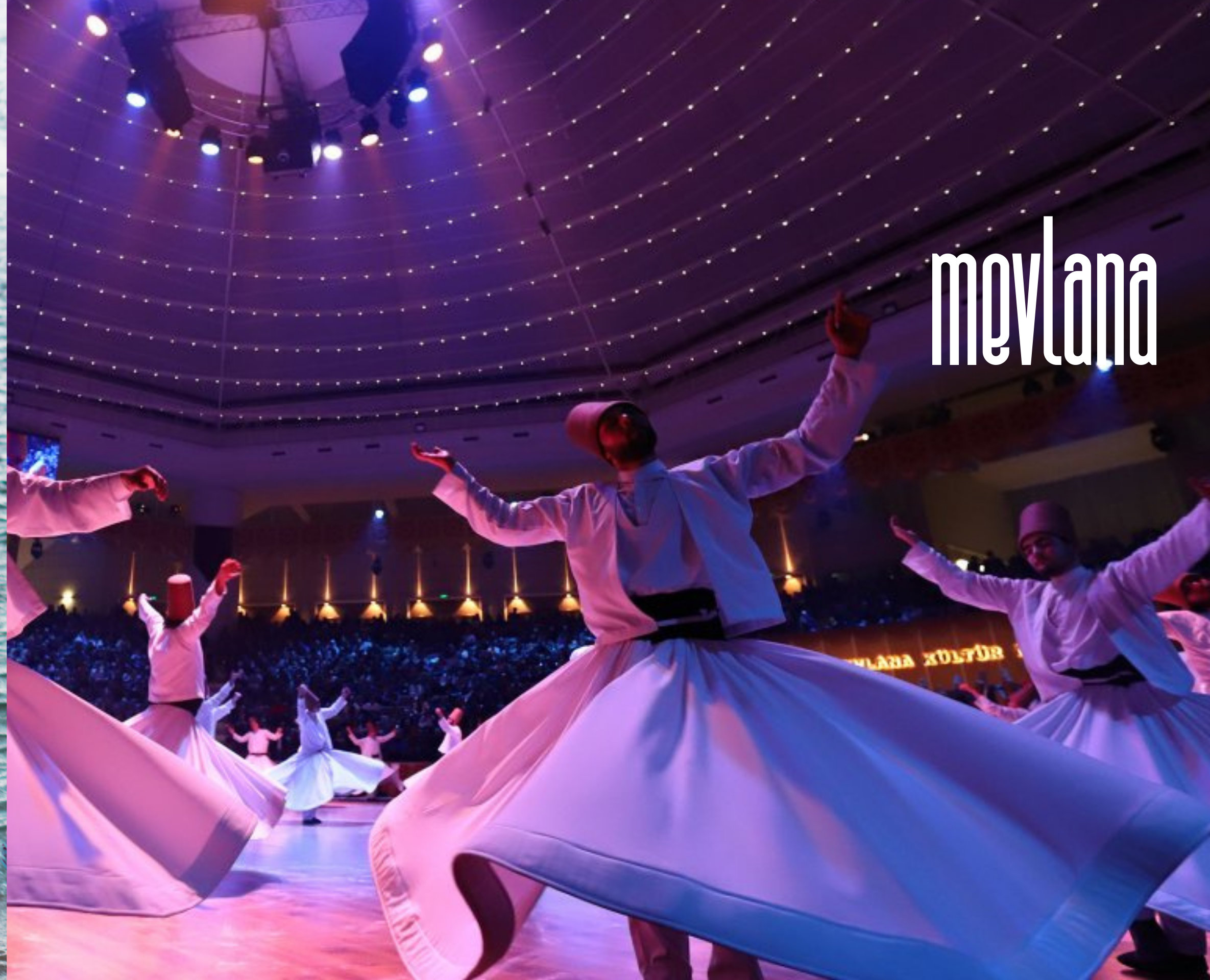
Mevlana Şeb-i Arus: The Night of Union in Konya
1. Introduction
The Mevlana Şeb-i Arus, often translated as the “Night of Union” or “Wedding Night,” is one of the most significant spiritual and cultural events in Turkey, held annually in Konya between December 7 and December 17. The festival commemorates the death of Jalal ad-Din Muhammad Rumi (1207–1273), known as Mevlana in Turkey, the world-renowned Sufi poet, philosopher, and mystic. For Rumi, death was not an end but a reunion with the Divine. Hence, rather than mourning, Şeb-i Arus symbolizes a celebration of eternal love and unity with God.
2. Historical Context
2.1 Life of Mevlana Rumi
Rumi was born in Balkh (present-day Afghanistan) and later settled in Konya, which was part of the Seljuk Sultanate of Rum. His teachings, deeply rooted in Sufism, emphasized universal love, tolerance, and the search for divine truth. Rumi’s poetry, collected in works such as the Mathnawi and Divan-i Shams-i Tabrizi, transcends cultural and religious boundaries.
2.2 Death and the Origin of Şeb-i Arus
When Rumi passed away on December 17, 1273, his followers did not mourn his death but considered it his ultimate union with God. Since then, the anniversary of his death has been remembered as Şeb-i Arus (literally, “Wedding Night”), signifying the spiritual wedding of the soul with the Creator.
3. Symbolism and Meaning
- Union with the Divine: For Rumi, the soul’s journey culminates in reunion with God. His death represents the completion of this mystical journey.
- Celebration over Mourning: Unlike traditional funerary customs, Şeb-i Arus is characterized by joy, prayer, and music, symbolizing acceptance of divine will.
- Universal Message: The teachings shared during the ceremonies stress peace, love, tolerance, and spiritual transcendence.
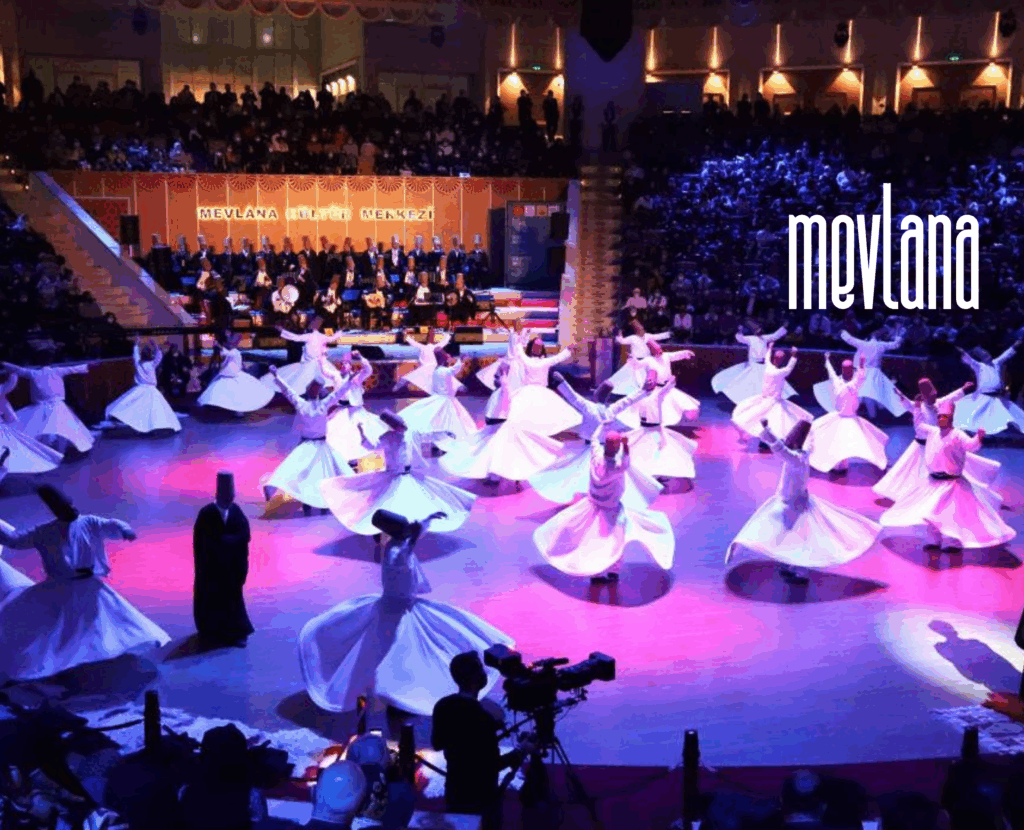
4. The Rituals of Şeb-i Arus
4.1 Sema Ceremony
The most iconic ritual associated with Şeb-i Arus is the Sema, a spiritual dance performed by the Mevlevi dervishes.
- Structure: The Sema is divided into several parts, beginning with the Naat-i Sharif (praise of Prophet Muhammad), followed by the sound of the reed flute (ney) and the whirling dance.
- Symbolism: Each element of the Sema represents the soul’s progression from human existence toward enlightenment and divine love. The white gown represents the burial shroud (death of the ego), the black cloak represents the worldly attachments, and the tall hat (sikke) symbolizes the gravestone of the ego.
- Spiritual Journey: Through the act of whirling, dervishes seek to transcend the self and reach divine unity.
4.2 Readings and Prayers
During the festival, verses from Rumi’s Mathnawi are recited, accompanied by spiritual music. These readings highlight themes of divine love, unity, and the human quest for spiritual awakening.
5. Cultural and Religious Significance
- Religious Importance: For Sufis and followers of Rumi, Şeb-i Arus represents a sacred commemoration, deeply intertwined with Islamic mysticism.
- Cultural Identity: In Konya, the festival is a major cultural event, attracting not only religious devotees but also scholars, artists, and tourists from around the world.
- UNESCO Recognition: The Mevlevi Sema Ceremony was inscribed on the UNESCO Intangible Cultural Heritage of Humanity list in 2008, underlining its universal significance.
6. Global Appeal
Although the festival is centered in Konya, its influence extends globally. Each year, thousands of visitors from different faiths and nationalities attend, reflecting Rumi’s message of inclusivity. Additionally, Mevlevi performances are held in various countries, introducing international audiences to this unique spiritual tradition.
7. Tourism and Economy
Şeb-i Arus is not only a spiritual event but also a driver of cultural tourism in Turkey. During the festival, Konya becomes a hub for domestic and international visitors, significantly boosting local hospitality, gastronomy, and cultural industries. Hotels, restaurants, and cultural centers witness an influx of guests who wish to experience both the mystical ceremonies and the historical richness of Konya.
8. Contemporary Interpretations
Today, Şeb-i Arus has evolved into a multi-dimensional festival:
- Academic Symposia: Conferences and panels on Rumi’s philosophy are organized.
- Cultural Exhibitions: Calligraphy, music, and art exhibitions inspired by Rumi’s poetry are displayed.
- Media Coverage: The ceremonies are broadcast globally, further promoting Rumi’s universal message of peace and love.
9. Conclusion
The Mevlana Şeb-i Arus festival stands at the intersection of spirituality, culture, and universal human values. Rooted in the teachings of Rumi, it offers a unique blend of mystical symbolism and cultural celebration. For the people of Turkey and the global community, Şeb-i Arus continues to remind us that love, tolerance, and unity are the ultimate pathways to the divine.