
Ephesus: A Complete Guide to the Ancient City, Its Theatre, and the House of the Virgin Mary
Introduction
Set on the Aegean coast near modern Selçuk, Ephesus rose from an Ionian Greek foundation to become one of the greatest cities of the Roman East. It was famed for the Temple of Artemis—one of the Seven Wonders—its marble avenues and grand monuments like the Library of Celsus and the Great Theatre, and its role in early Christianity. In 2015, Ephesus was inscribed as a UNESCO World Heritage Site as an “outstanding example of a Roman port city,” and the nearby House of the Virgin Mary, about seven kilometers from the city, has been a major place of pilgrimage since late antiquity. UNESCO Dünya Mirası Merkezi
From Ionian Beginnings to Roman Capital
Founded by Ionian Greeks in antiquity, Ephesus prospered through Hellenistic times and passed to Roman control in the 2nd century BCE. Under Augustus it became the capital of the Roman province of Asia and flourished as a commercial and cultural hub. St. Paul visited; the New Testament’s Letter to the Ephesians is addressed to the church here. The city suffered a Gothic raid in 262 CE and, over time, the harbor silted up, hastening decline. Encyclopedia Britannica+1
Urban Plan and Signature Monuments
Library of Celsus
Perhaps the most photographed façade in Turkey, the Library of Celsus (2nd century CE) was erected as both library and mausoleum for the Roman proconsul Celsus. It once held thousands of scrolls and faced east to catch morning light; its striking two-story façade was re-erected in the 1970s. Vikipedi
The Great Theatre (Amphitheatre)
Carved into Mount Pion, Ephesus’s Great Theatre seated roughly 24,000 spectators. Initially used for drama, it later hosted public assemblies and, in Roman times, even gladiatorial events. Today it remains one of the largest and best-preserved theatres of the ancient world. Turkish Archaeological NewsVikipedi
Curetes Street and the Marble Cityscape
Curetes Street—linking the Hercules Gate to the Library of Celsus—was one of Ephesus’s grand colonnaded avenues. Flanked by fountains, monuments, shops, and elite “Terrace Houses,” it functioned as a processional route associated with the cult of Artemis and connected the political and commercial quarters. Turkish Archaeological Newslivius.org
Temple of Artemis (Artemision)
A short walk north of the archaeological park stands the site of the Artemision, once a colossal marble sanctuary and a Wonder of the Ancient World. Only a single reconstructed column remains on site today, but the temple’s fame and scale were celebrated across antiquity. Encyclopedia Britannica+1
Christianity in Ephesus and the House of the Virgin Mary
Ephesus became a major center of early Christianity. The Council of Ephesus convened here in 431 CE, affirming the title Theotokos (“God-bearer”) for Mary and shaping Christological doctrine for centuries. Vikipedipapalencyclicals.net
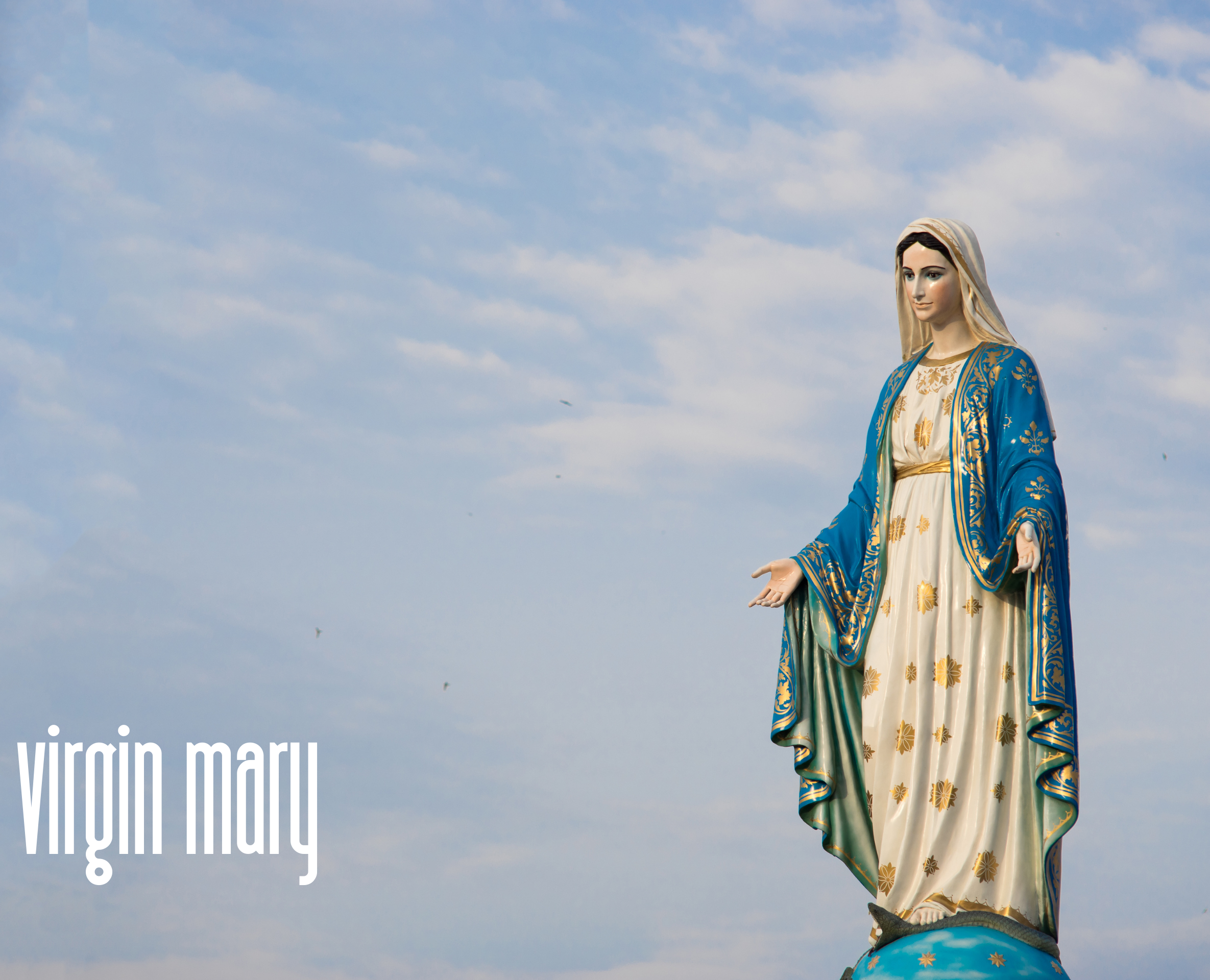
On nearby Mount Koressos (Bülbül Dağı), the House of the Virgin Mary (Meryem Ana Evi) is revered by many as Mary’s final dwelling. While the Catholic Church has not authenticated the house itself, it has long recognized the site as a place of pilgrimage; modern devotion intensified after descriptions in the visions of Anne Catherine Emmerich led to 19th-century rediscovery. Popes Paul VI (1967), John Paul II (1979), and Benedict XVI (2006) visited the shrine, and August 15 (Assumption) is marked annually there. The sanctuary is also respected by Muslims. VikipediVisit İzmir
A Walk Through Time: Suggested Route and Highlights
- Upper Gate (Magnesian Gate) → Curetes Street
Enter the city from the high ground and descend along Curetes Street. Pause by the Fountain of Trajan and Temple of Hadrian to appreciate imperial iconography and reliefs before reaching the Library. livius.org - Library of Celsus → Marble Road → Great Theatre
Standing before the Library’s sculpted façade, imagine its niches lined with scrolls; then continue to the Theatre Gymnasium and the vast Great Theatre, whose acoustics still impress. VikipediTurkish Archaeological News - Lower Agora and Harbour Street
These commercial spaces reflect Ephesus’s former role as a port city—a point UNESCO underscores in its inscription. UNESCO Dünya Mirası Merkezi - Side Excursions
- Terrace Houses: opulent Roman domus with mosaics and wall paintings (ongoing conservation). Turkish Archaeological News
- Temple of Artemis site: the wonder’s footprint and lone column. Encyclopedia Britannica
- House of the Virgin Mary on Bülbül Dağı: serene pilgrimage site 7–9 km from the ruins. UNESCO Dünya Mirası MerkeziVisit İzmir
Chronology (Concise)
- Archaic–Classical: Sanctuary of Artemis flourishes; city joins Ionian League.
- Hellenistic: After Alexander, urban relocation and monumentalization.
- 129–27 BCE: City transitions to Roman control; prosperity builds.
- 27 BCE–14 CE (Augustus): Ephesus becomes capital of Asia; urban boom. Encyclopedia Britannica
- 262 CE: Gothic raid damages city and Library area. Vikipedi
- 431 CE: Council of Ephesus convenes. Vikipedi
- Late Antiquity–Middle Ages: Harbor silts; seismic events; gradual decline. Encyclopedia Britannica
Architectural Notes
- Library of Celsus: Two-story aedicular façade; three upper windows; interior single hall (~180 m²); Celsus’s sarcophagus below. Re-erected 1970–78. Vikipedi
- Great Theatre: Cavea c. 145 m wide, 66 seating rows, capacity ~24,000; used for drama and later public events. EphesusTurkish Archaeological News
- Curetes Street: Colonnaded processional way with fountains, statues, and shops; sacred associations with the Artemis cult. Turkish Archaeological NewsEphesus Turkey
- Temple of Artemis: First large temple built entirely of marble; famed throughout the Mediterranean; minimal remains today. Encyclopedia Britannica
Visiting the House of the Virgin Mary
Pilgrims and visitors find a modest stone chapel amid pine and olive groves. Regardless of one’s personal beliefs, the site’s interfaith reverence is notable; ritual observance on August 15 (Assumption) draws crowds, and many visitors leave written prayers at the “wishing wall.”
Practical Tips
- Time on site: 2.5–4 hours for the main ruins; add 60–90 minutes for the House of the Virgin Mary and another 30–45 minutes for the Artemision.
- Best light: Early morning for the Library’s east-facing façade; late afternoon for the Theatre’s interior.
- Footwear: Marble pavements can be slick—non-slip shoes recommended.